
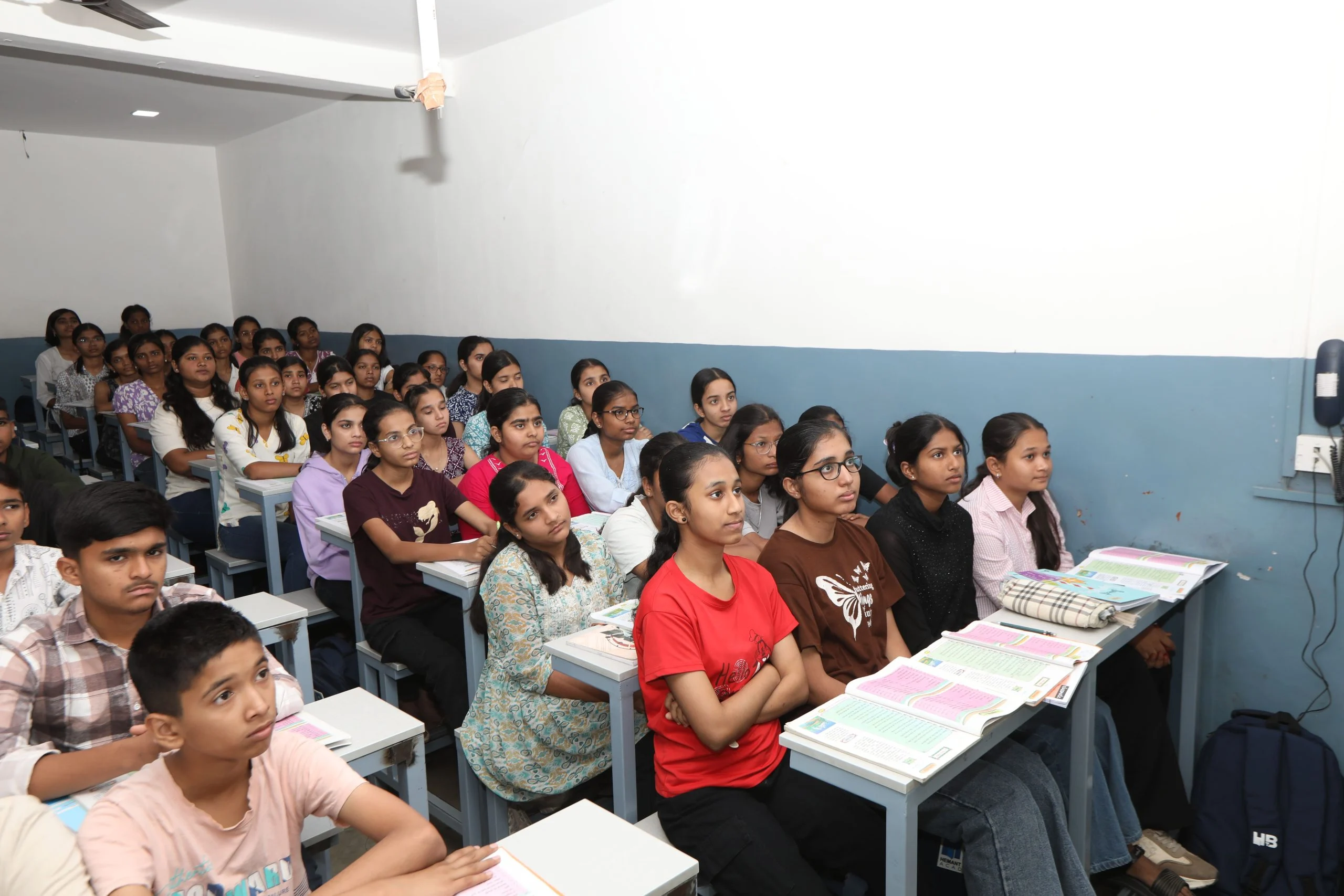
“Should my child study in an SSC school or a CBSE school?” is one of the most common questions parents in Pune ask. Both boards are well recognised, and students from both go on to excellent colleges and careers. The right choice depends on your child, your family’s plans and the kind of learning that suits them.
This guide explains how the two boards differ, without the myths, so you can make an informed decision.
What are SSC and CBSE?
SSC (Secondary School Certificate) in Maharashtra is the Class 10 board exam conducted by the Maharashtra State Board of Secondary and Higher Secondary Education (MSBSHSE). It is followed by most schools in the state, in English, Marathi and other mediums.
CBSE (Central Board of Secondary Education) is a national board under the Government of India. Its schools follow the same syllabus across the country, largely based on NCERT textbooks.
The key differences at a glance
| SSC (Maharashtra State Board) | CBSE | |
|---|---|---|
| Who conducts it | Maharashtra State Board (MSBSHSE) | Central Board of Secondary Education |
| Where it is followed | Schools across Maharashtra | Schools across India and abroad |
| Textbooks | Balbharati (state board) textbooks | Mainly NCERT textbooks |
| Languages | Marathi is compulsory in most schools, along with English and Hindi or another language | Usually English and Hindi, with other language options |
| Marks per subject | Usually 80 for the written exam and 20 for internal assessment | Usually 80 for the board exam and 20 for internal assessment |
| Class 10 board exams | One main exam in February–March, with a supplementary exam for students who need it | From 2026, a compulsory first exam in February and an optional second exam in May to improve scores |
| Best suited for | Families settled in Maharashtra, and students planning state-level admissions | Families who may move cities, and students preparing early for national entrance exams |
Syllabus and textbooks
The SSC syllabus is designed by the state board and taught through Balbharati textbooks. It includes topics with a Maharashtra focus, especially in history, geography and languages. Mathematics is split into Algebra and Geometry, and Science into Part 1 (mainly physics and chemistry) and Part 2 (mainly biology and environmental science).
The CBSE syllabus follows NCERT textbooks and is the same across the country. Because national entrance exams like JEE and NEET draw heavily on NCERT content for Classes 11 and 12, many families feel CBSE gives an early familiarity with that style.
In practice, both syllabuses cover the core concepts of mathematics and science well. A strong SSC student and a strong CBSE student are equally prepared to move ahead.
Exam pattern and assessment
In both boards, most subjects are marked out of 100, usually split into 80 marks for the written board exam and 20 marks for internal assessment, practicals or projects.
SSC: students need at least 35% in each subject to pass. Maths and Science each have two papers, which reward clear understanding and neat, step-by-step answers.
CBSE: from 2026, Class 10 students take a compulsory first board exam in February. Those who want to improve their marks can take an optional second exam in May in up to three subjects, and the better score counts. CBSE papers also include a growing share of competency-based questions, which test whether students can apply concepts to real situations.
Rules can change from year to year, so always check the latest circulars from MSBSHSE or CBSE.
Common myths
- “CBSE is always harder.” Not necessarily. Each board has its own challenges. SSC demands thorough knowledge of the textbook and careful presentation, while CBSE emphasises application.
- “SSC students can’t crack JEE or NEET.” Many SSC students do very well in competitive exams. What matters is strong concepts and good preparation in Classes 11 and 12.
- “Marks in one board are worth more.” Colleges and junior colleges accept both boards. Admissions depend on marks and entrance results, not on the name of the board.
How to choose
Ask yourself these questions:
- Will your family stay in Maharashtra? If a transfer to another state is likely, CBSE makes switching schools easier.
- How does your child learn best? Students who like structured textbooks and clear chapter-wise preparation often do well in SSC. Students who enjoy application-based questions may enjoy CBSE.
- What about languages? SSC schools usually require Marathi. Consider your child’s comfort with the language.
- What is the school like? The quality of teaching, the teachers and the environment matter more than the board itself.
The board matters less than the basics
Whichever board your child is in, success in Classes 8, 9 and 10 comes from the same things: clear concepts, regular practice, timely revision and confidence in the exam hall. That is why choosing the right teaching support matters as much as choosing the right board.
At Hemant Bora’s Academy in Pune, we teach both boards. We have separate batches for Class 9 SSC and CBSE, Class 10 SSC and Class 10 CBSE, each following its own board’s syllabus and exam pattern. Not sure which suits your child? Visit our Wadgaon Sheri or Chandan Nagar branch for a free counselling session.

Written by Hemant Bora's Academy
Academic Contributor